Improving the Usability of Yelp Collections
Project Type: Improving an existing feature
Role: Research, UX/UI Design, Prototyping
Tools: Figma, Photoshop
Timeline: Fall 2024
Overview
Yelp is a crowd-sourced platform for discovering and reviewing local businesses. Yelp is losing users to Google Maps due to Google's wider reach and ease of use for casual users seeking quick feedback. To regain traction, Yelp must improve its user engagement features with more compelling and unique experiences.
One such example is Yelp's popular "Collection" feature, which lets users save and share lists of favorite places. To stay competitive, it must provide a more personalized experience than Google's generic "Saved" lists.
Identifying common challenges of Yelp Collections
Problem
Yelp's Collection feature lets users organize their favorite businesses into customizable lists, but many struggle to use it efficiently due to usability challenges.
Hard to Find
The Collection feature is not immediately obvious to users, leading
to a lack of engagement.
Generic and Disorganized
Users tend to create categories that are too broad, such as “Bookmarks”.
There's a lack of organization tools, or the ability to tag and
filter lists by attributes.
Limited Interactivity
The Collections feature lacks interactivity, with collaboration
hidden and only available on mobile, and no support for discussions.
Understanding Yelp usage through user interviews
Research
Interviewed 5 adults between the ages of 30-50:
What Do Users Do?
100% uses Yelp for restaurant reviews
80% uses Google Maps more often
40% uses the Yelp website only
I rarely use bookmarks, but I would love to record specific info about dishes I'd like to eat or dishes I've eaten. If I could write personal notes and share them with friends, it would make me want to come back to the app more.
What Do Users Want?
Private Notes
While few users leave public reviews, many are interested in
saving private notes, such as favorite dishes, and sharing this
information privately with friends.
Custom Tags
Custom tags, such as “To Visit”, “Favorite,” and “Avoid” are
valuable for organizing and categorizing saved places within
Collections, making it easier to manage and access locations
based on personal preferences and experiences.
Proximity Notice
The
app should highlight saved places when the user is nearby, offering
relevant reminders to easily discover or revisit previously saved
locations.
Zeroing in on key pain points
Goal
Identify and address key user concerns to enhance Yelp’s Collection feature in order to differentiate from Google Maps while elevating user satisfaction and boosting retention.
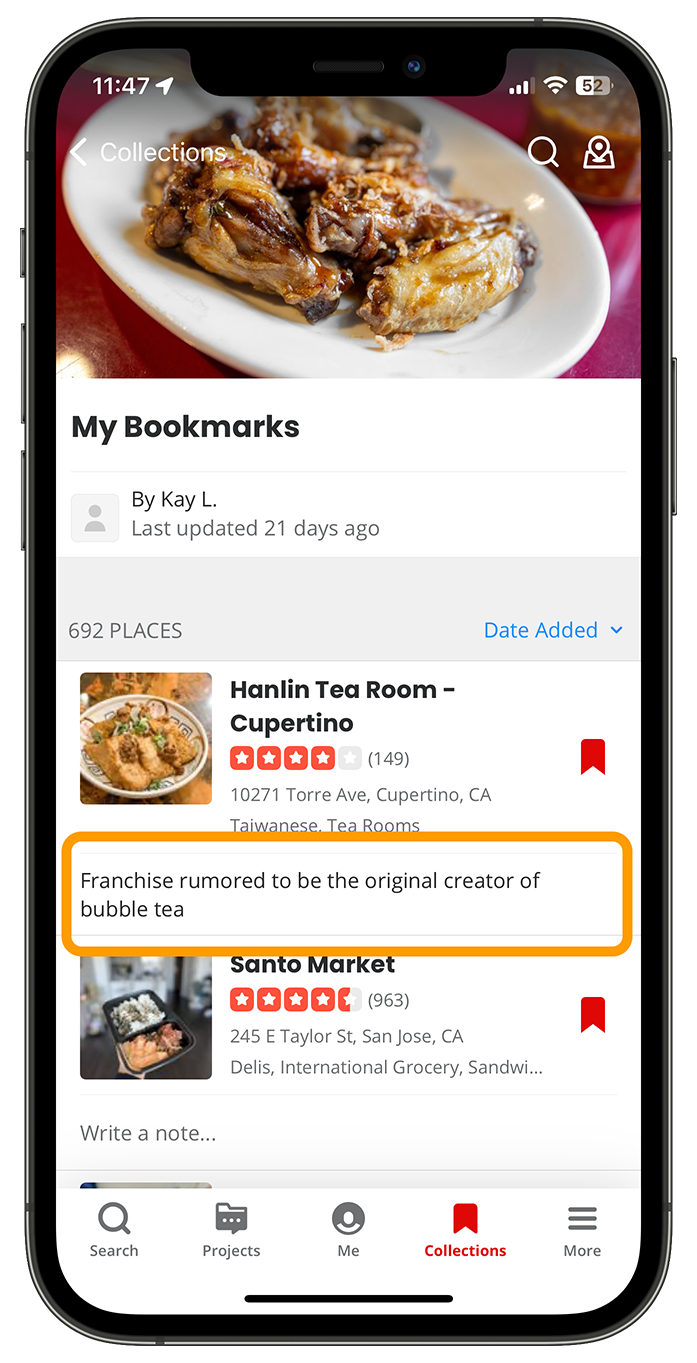
Pain Point #1
Collection notes cannot be accessed directly from the business page, nor can individual dishes be saved.
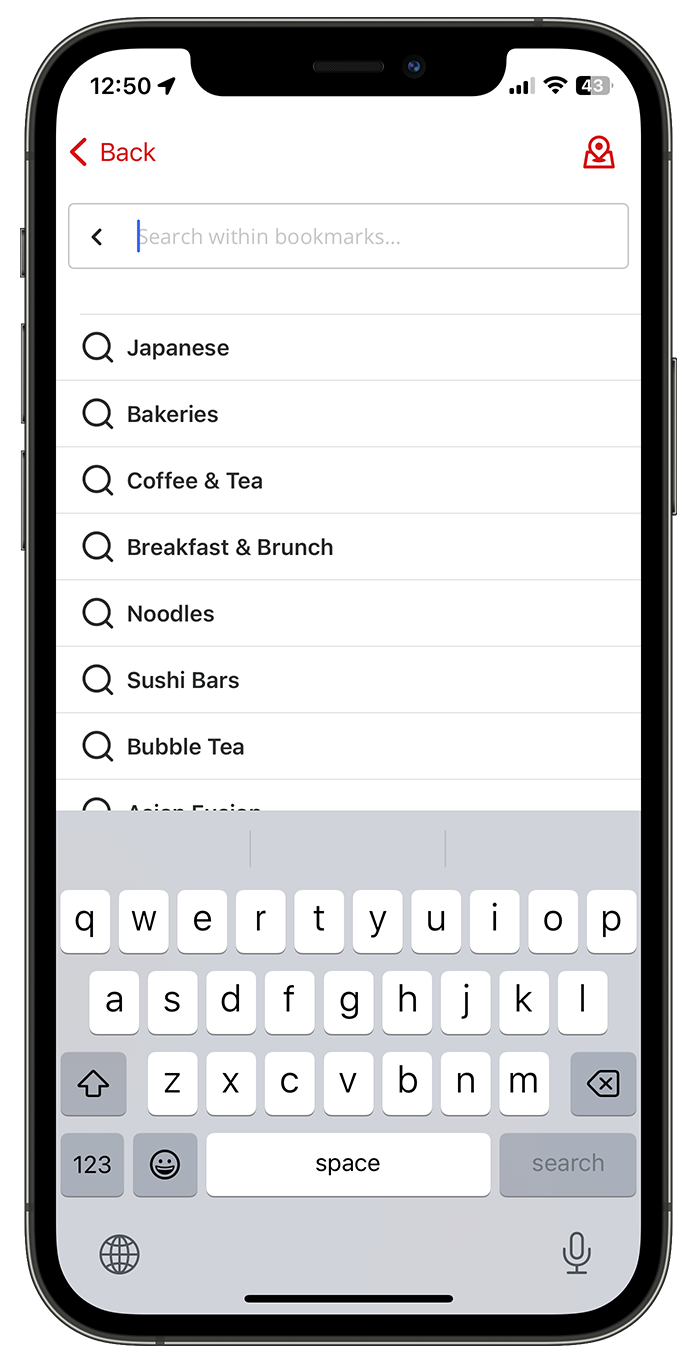
Pain Point #2
Limited options for searching saved places
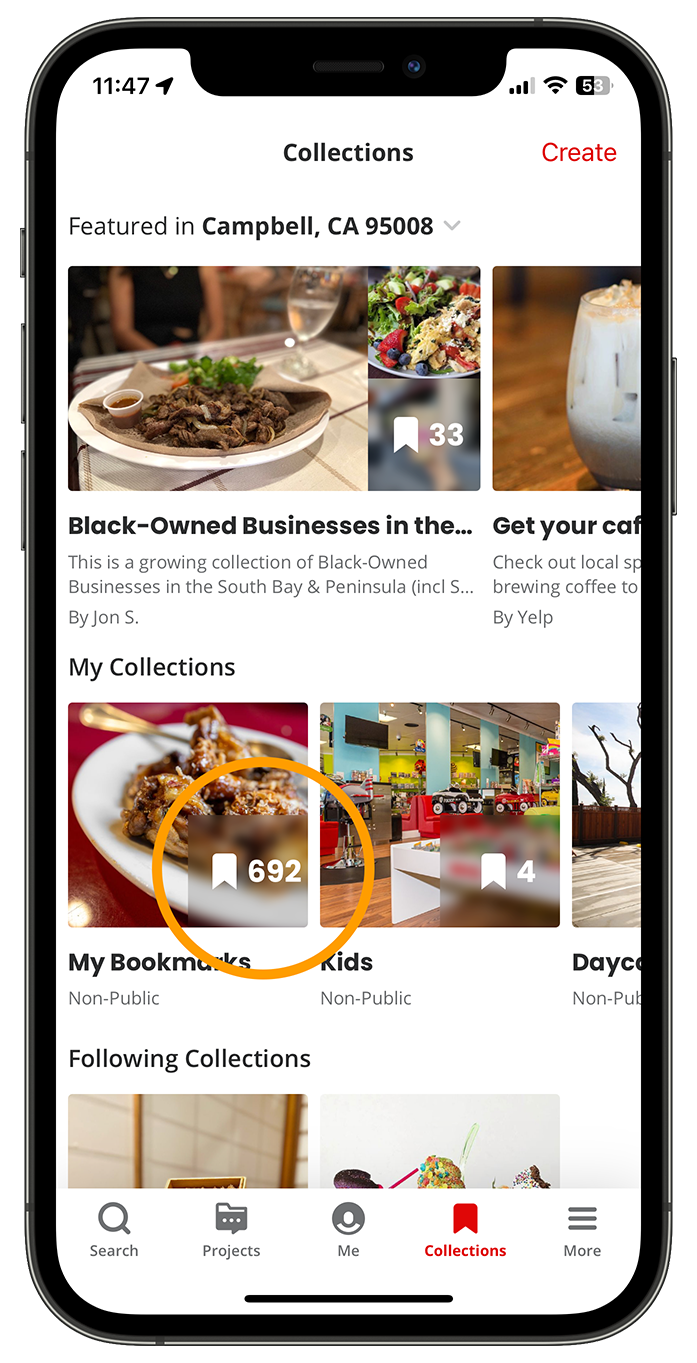
Pain Point #3
Saved locations are often overlooked and buried in a long list of bookmarks
Turning insights into targeted improvements
Idea #1:
Add access to private notes directly from business page
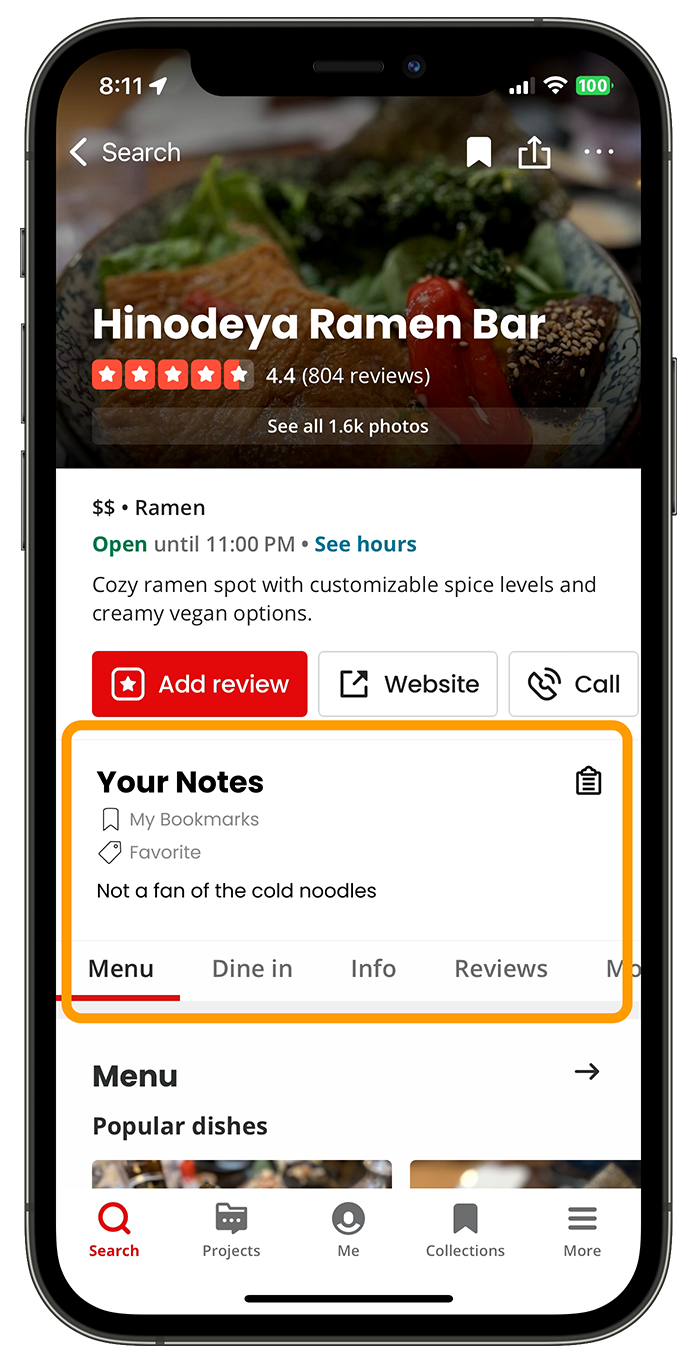
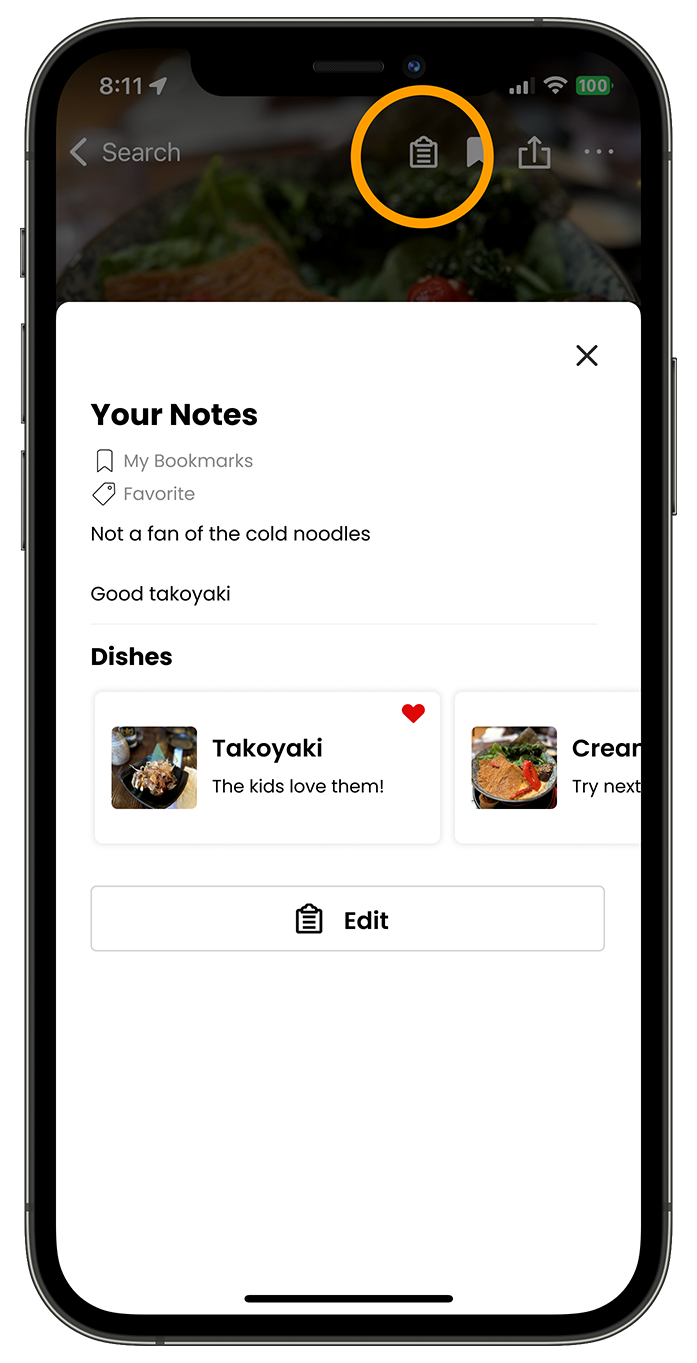
Users prefer Option A to view excerpt of notes directly in the business page instead of Option B's design of clicking on a top icon to bring up notes.
Idea #2:
Add save button for Popular dishes in the Menu section
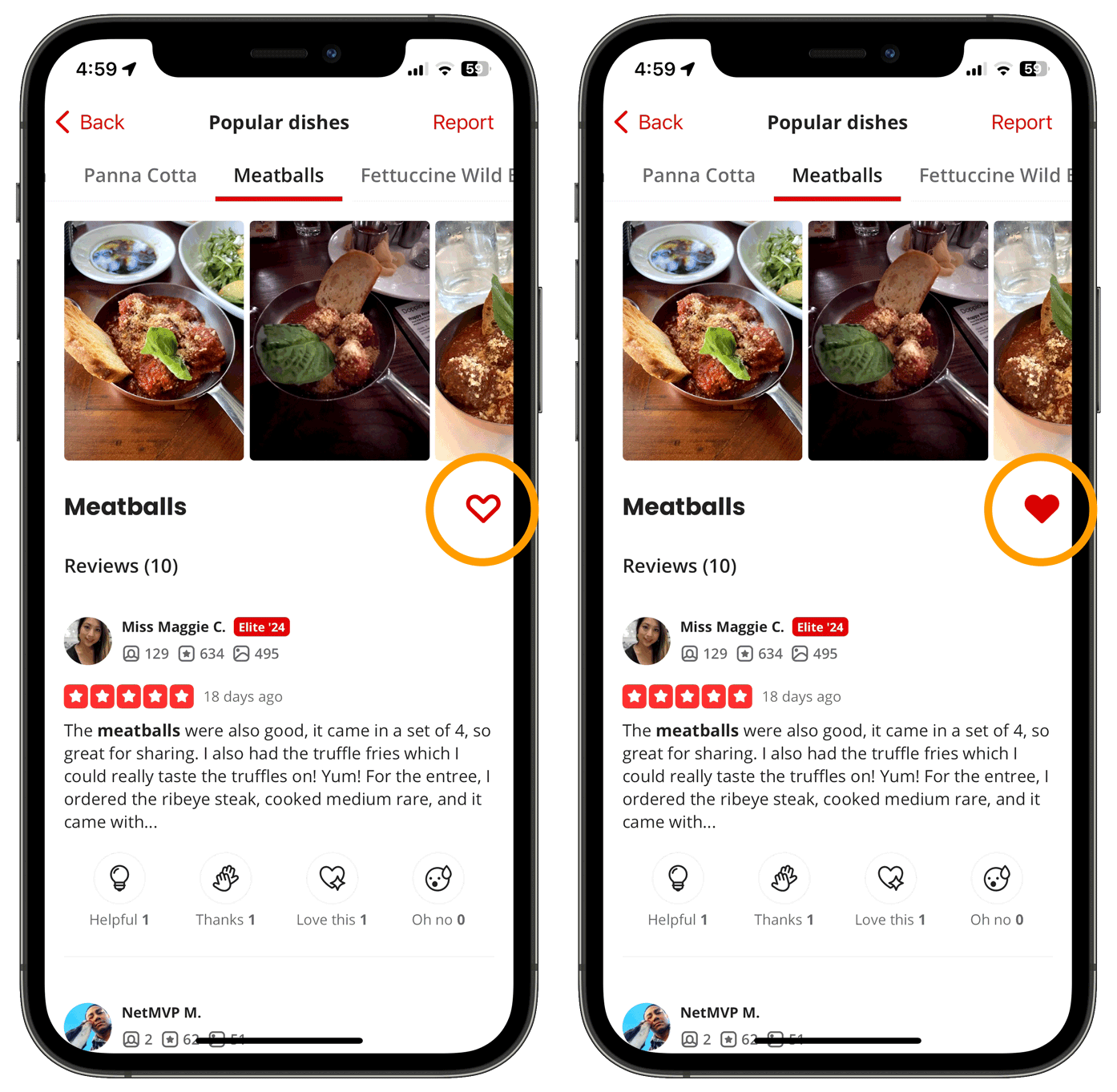
Users prefer storing saved dishes in the Private Notes of the business rather than in a separate, dish-only Collection.
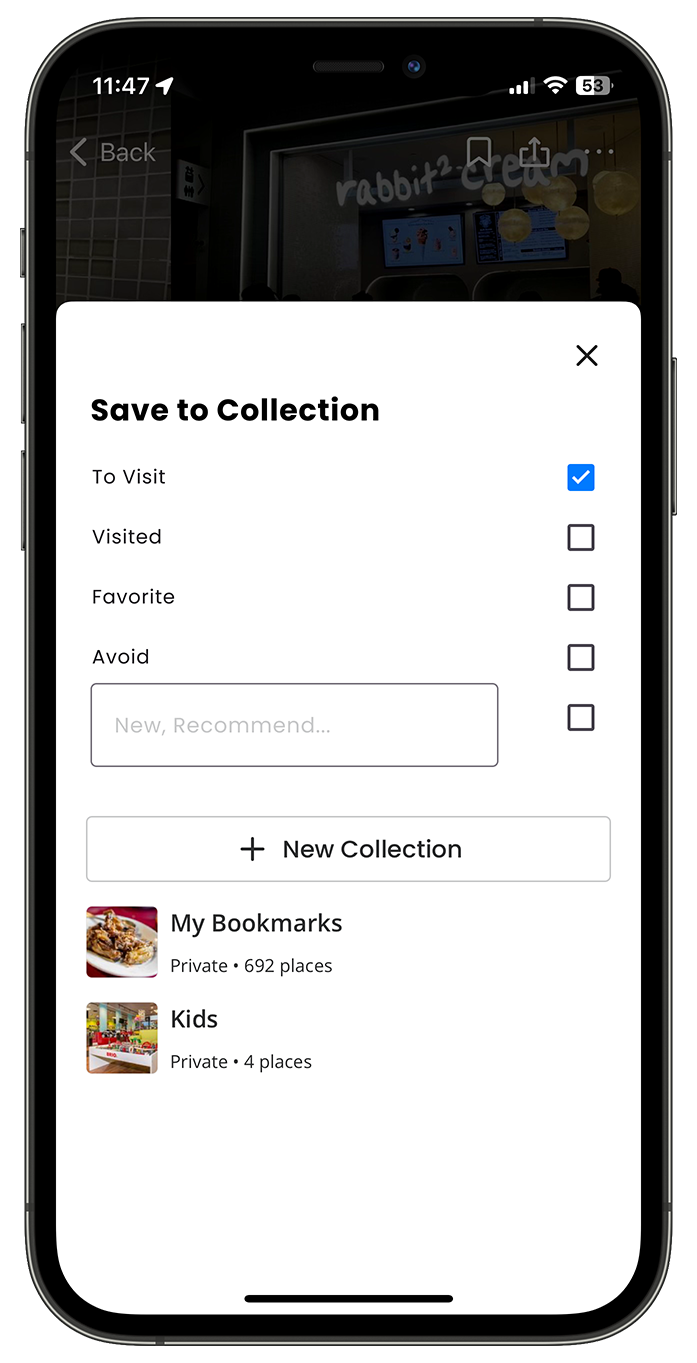
Idea #3:
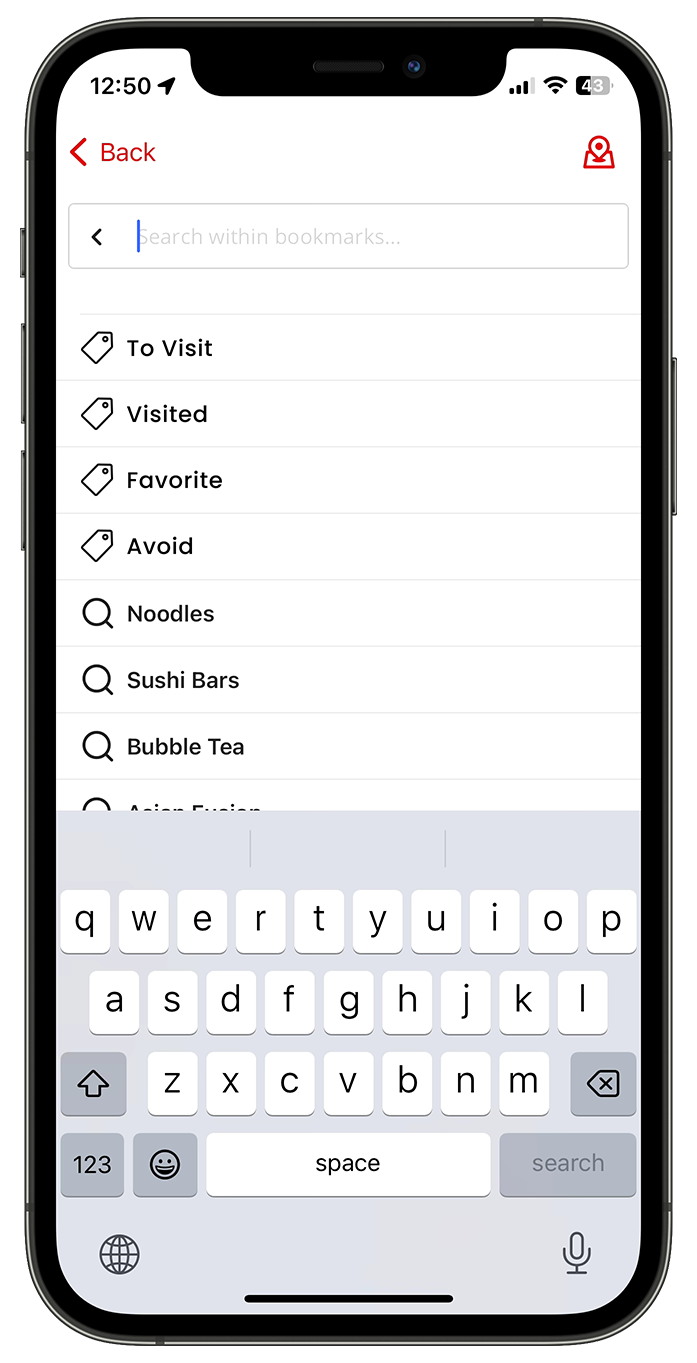
Add custom tagging support when saving Collection and make them available as filters for searches
Idea #4:
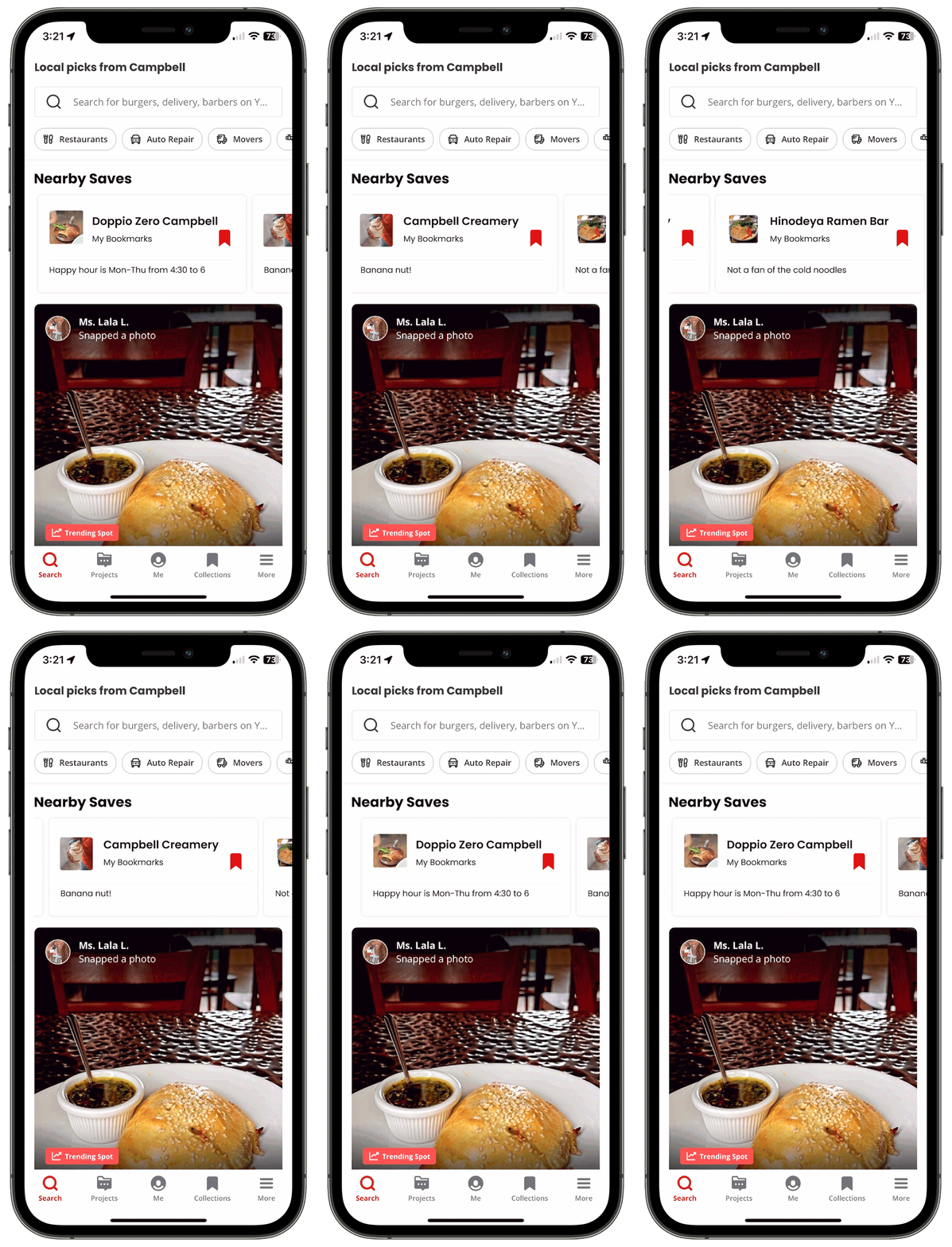
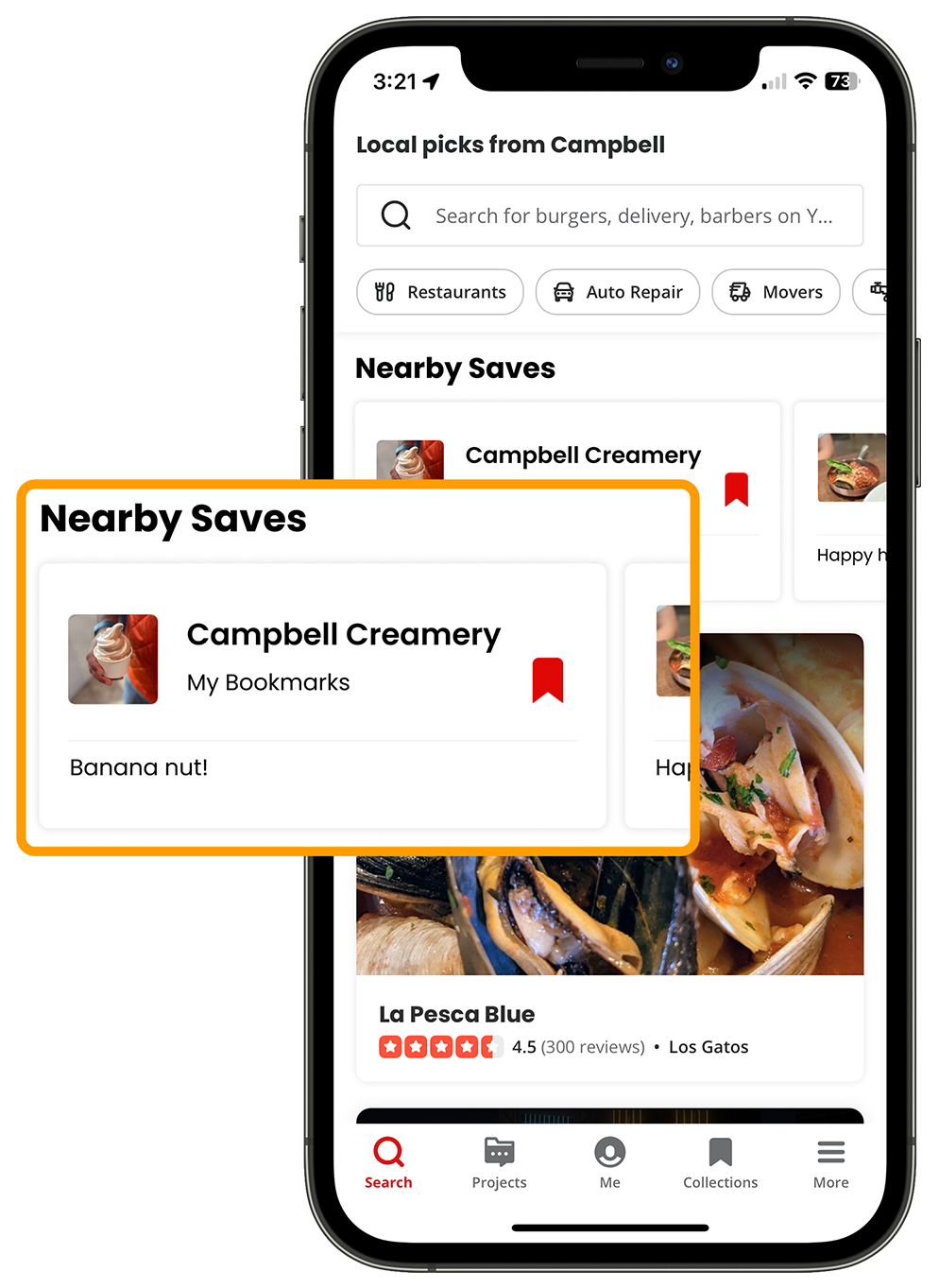
Add section at top of the home page that shows nearby saved destinations, with private note excerpt
Transforming the final solutions into prototype
Homepage: View Nearby Saved Locations
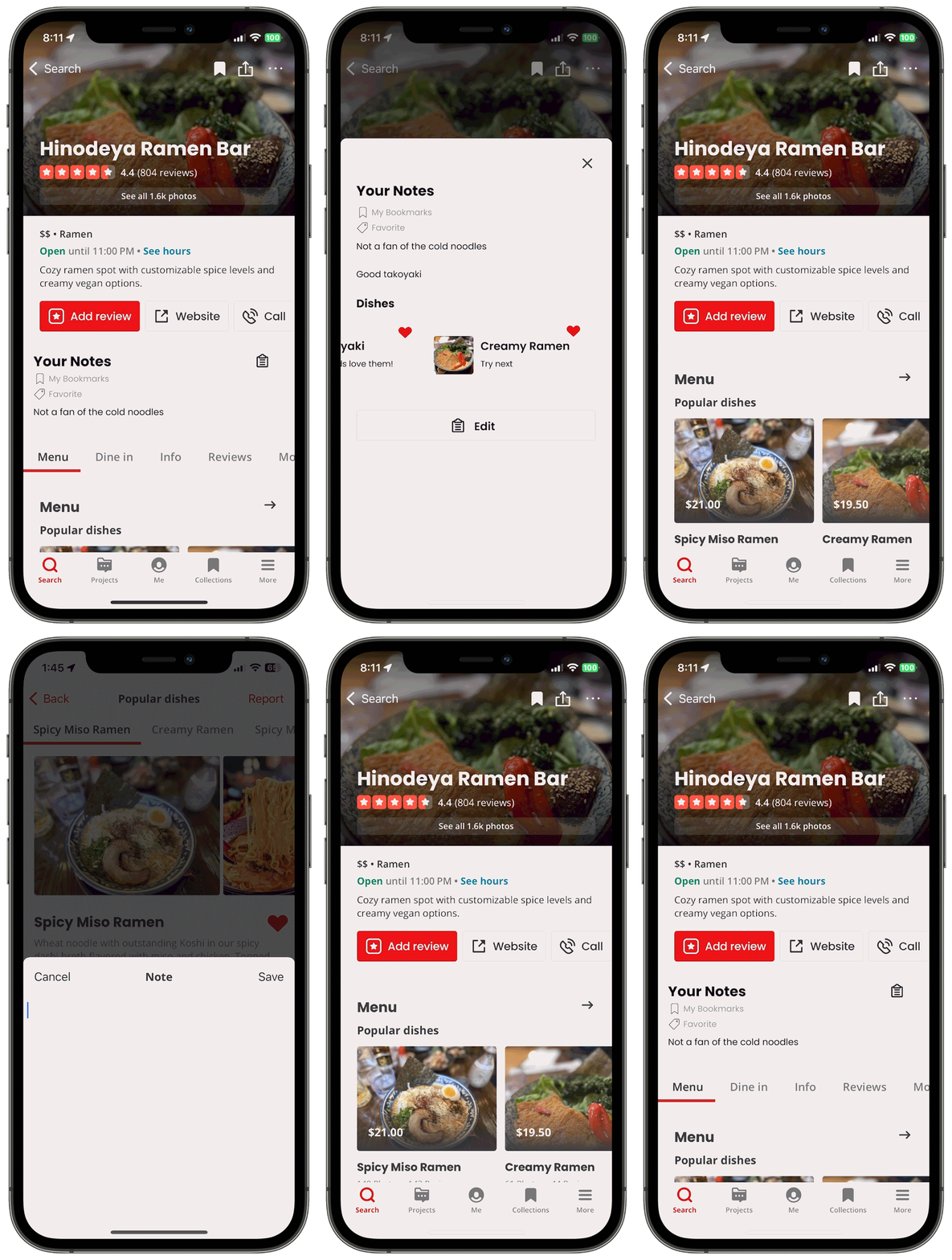
Click on a bookmarked business to View Private Notes
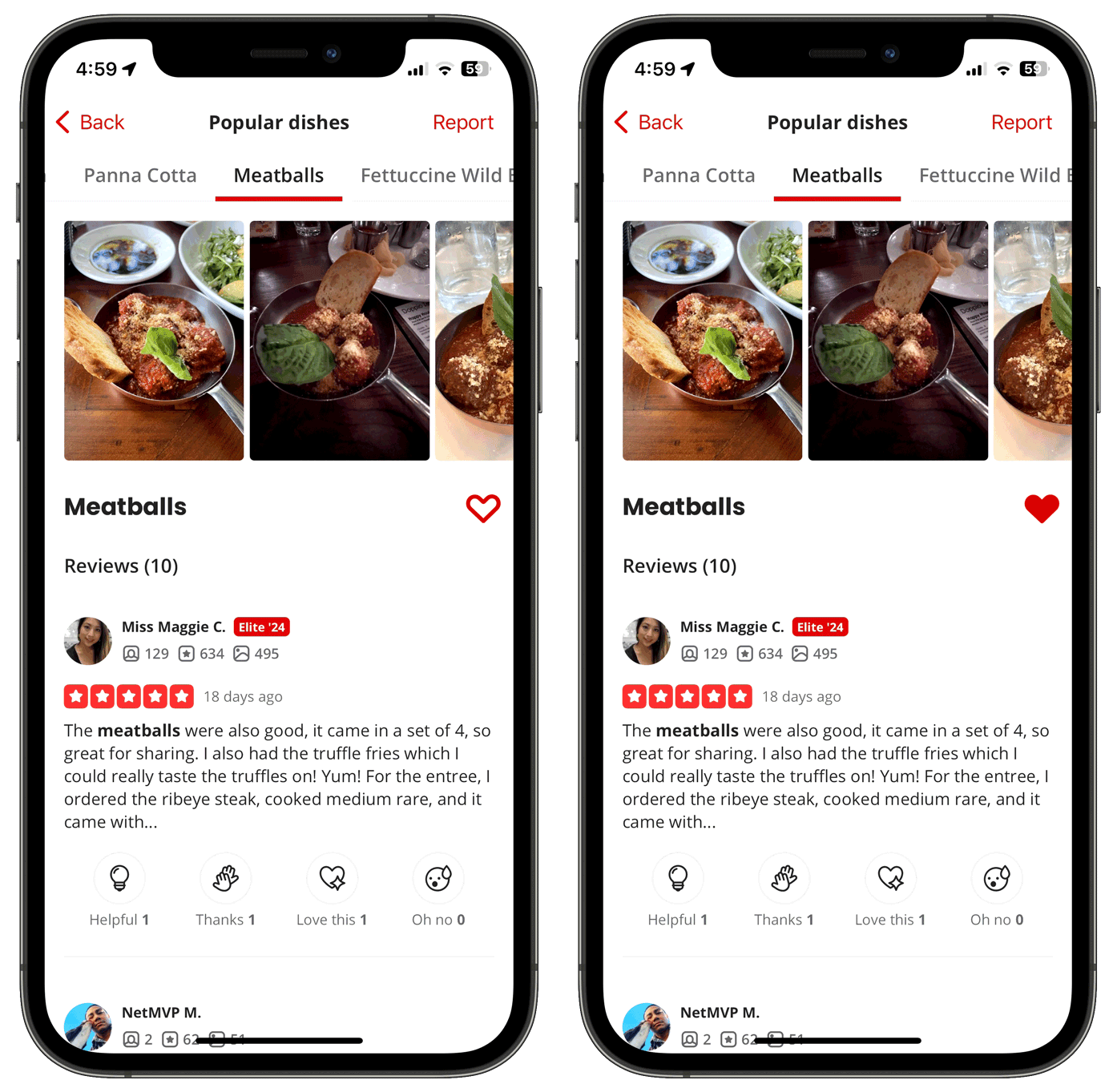
Explore the Menu and Save Popular Dishes to Collections
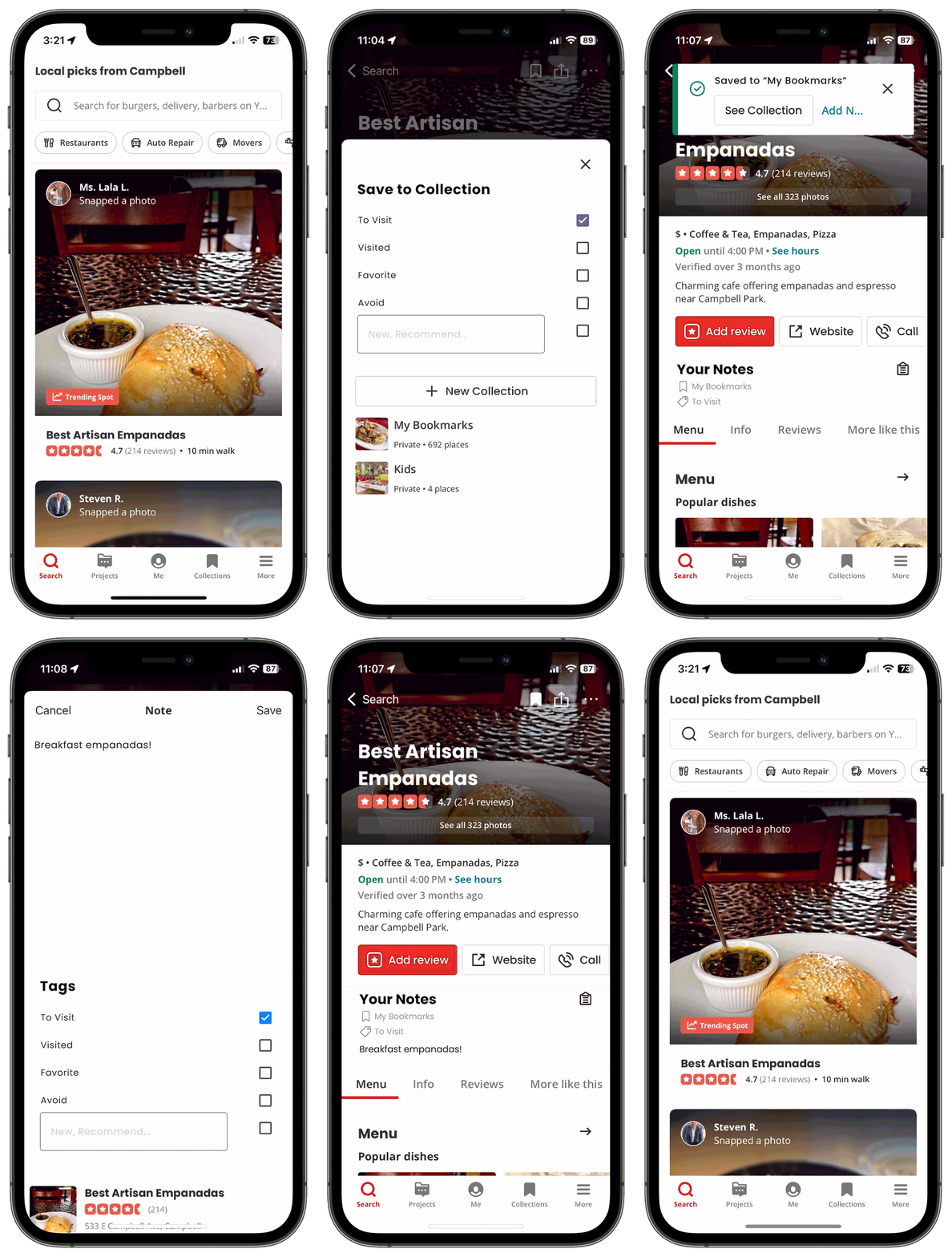
Add Custom Tags to categorize and organize preferences
Final Remarks
Offering features like saving dishes, custom tagging of places in Collections, and adding private notes on business pages, along with showcasing nearby saved pages at the top of the homepage, will significantly differentiate Yelp from Google Maps' more basic offerings.
These enhancements will boost user satisfaction, improve retention, and ultimately create a more engaging experience.